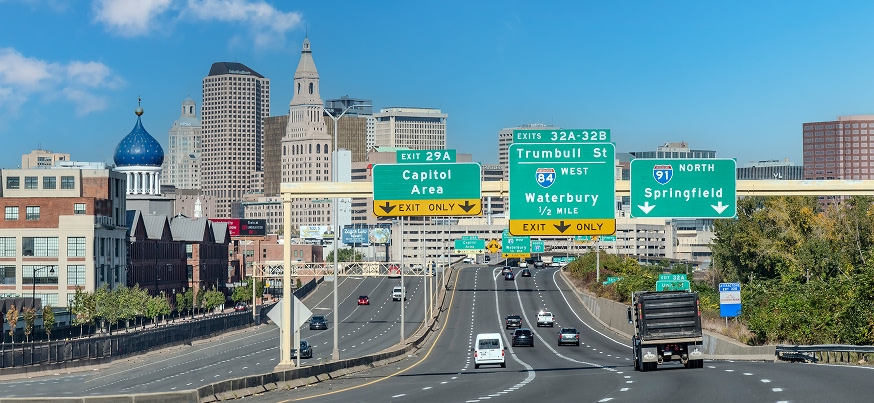

- Coverage tailored to business vehicles: Commercial policies can cover eligible cars, pickup trucks, cargo vans, service vehicles, delivery vehicles and utility trucks used for work.
- Coverage options for different risks: Small businesses can select available coverage based on their vehicles, operations and policy needs.
- Flexible payment plans: Available payment options can help small businesses manage insurance expenses.
- Coverage for a range of small business uses: Commercial auto insurance can address eligible vehicle use ranging from traveling to customer locations to transporting tools and equipment.
Businesses need to understand car insurance requirements before putting vehicles on the road for work. Vehicles registered in the state must carry required insurance coverage under state law. For many small business vehicles, the state's minimum liability requirements are only a legal starting point. Higher liability limits can be especially important for businesses because a serious accident can result in costly medical bills, property damage and legal expenses that could quickly exceed minimum coverage limits and put business assets at risk.
Connecticut requires liability coverage for bodily injury and property damage as well. Bodily injury liability helps pay covered costs when an insured driver is legally responsible for injuries to another person. Property damage liability helps pay covered costs when an insured driver is legally responsible for damage to someone else's property.
The state uses an at-fault system. That means the driver found legally responsible for an accident may be responsible for resulting in covered injuries and property damage. Businesses should review current Connecticut car insurance requirements and work with an insurance professional to determine which requirements apply to their vehicles and operations.
While the state’s car insurance laws establish minimum requirements, but minimum limits may not be enough for every company. Businesses with multiple vehicles, frequent driving or higher-value equipment may want to consider higher available limits based on their needs.
Optional Commercial Auto Coverages Available
In addition to required liability coverage, businesses may be able to add optional commercial vehicle coverage to address other risks. Availability, terms and limits vary by policy and eligibility.
- Collision coverage: Helps pay to repair or replace a covered business vehicle after a collision, subject to policy terms and deductibles.
- Comprehensive coverage: Helps cover damage to a business vehicle from covered events other than a collision, which may include theft, vandalism, fire, severe weather or falling objects.
- Uninsured/underinsured motorist coverage: Helps with covered losses when an insured vehicle is involved in an accident with an at-fault driver who has little or no insurance, subject to policy terms and applicable state requirements.
- Medical payments coverage: Helps pay eligible medical expenses following a covered accident, subject to the terms and limits of the policy.
- Hired and non-owned auto coverage: May provide coverage for eligible business liability exposures involving rented, leased or employee-owned vehicles used for covered business purposes.
The right Connecticut business auto insurance coverage depends on how a company operates, who drives its vehicles and how those vehicles are used.
Penalties For Failing to Maintain Required Coverage
A small business that does not maintain insurance required by state law may face consequences that affect its ability to keep vehicles on the road. Depending on the circumstances, penalties can include fines and suspension of vehicle registrations.
Maintaining required commercial insurance coverage is an important part of keeping eligible business vehicles legally registered and operating.
A business does not need a large fleet to have auto insurance needs. Connecticut small business auto insurance may be appropriate for companies that own or regularly use even one vehicle for work.
Contractors, electricians, plumbers, HVAC companies, landscapers, roofers, cleaning services, delivery companies, real estate professionals, manufacturers and medical supply companies are examples of businesses that may rely on business vehicle insurance
Consider a plumber driving a work van between appointments in Hartford or a landscaper hauling equipment to properties in Fairfield County. A contractor may spend significant time traveling on I-84 or I-95, while a shoreline business may have vehicles exposed to coastal weather. How, where and how often a vehicle is used can all affect a company's insurance needs.
- Owned by a business
- Driven by employees
- Used to transport tools, equipment, inventory or materials
- Used to make deliveries or visit customer locations
- Used for regular business travel throughout the state
Small business owners who are unsure whether their vehicle use calls for commercial insurance can learn more in Kemper's guide, What is commercial auto insurance?.
There is no single price for Connecticut commercial auto insurance policies because businesses and their vehicle use vary. Insurers consider several factors when determining rates.
Common factors can include:
- Vehicle type and weight: A passenger car may present different risks than a cargo van or heavier work vehicle.
- Number of vehicles: The size and makeup of a business fleet can affect premiums.
- Driver records: The driving histories of employees who operate covered vehicles can influence rates.
- Radius of operation: A vehicle driven locally may have a different risk profile than one traveling longer distances throughout Connecticut or beyond.
- Cargo and equipment: What a vehicle carries and how it is used may affect insurance considerations.
- Coverage limits: Higher limits or additional coverage options generally affect premium costs.
- Industry: A contractor, delivery company and real estate business can have very different driving patterns and exposures.
Because rates depend on multiple business-specific factors, requesting an estimate is a useful starting point. An independent agent can also discuss available options based on the business and its vehicles.
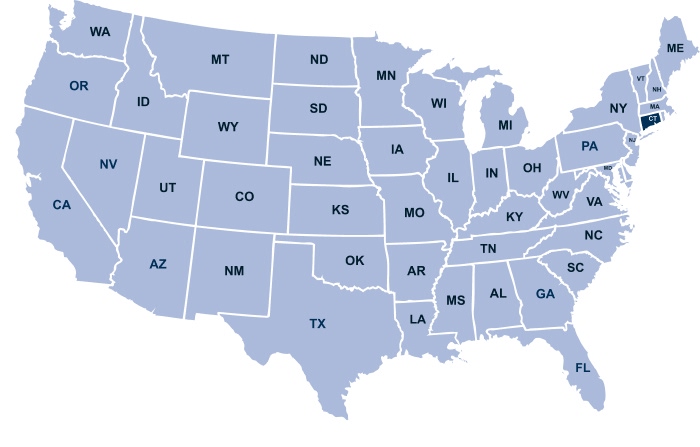
Commercial auto insurance in Connecticut can help small businesses address the financial risks associated with operating vehicles for work. From understanding requirements to selecting available liability and physical damage coverage, the right policy starts with knowing how your company uses its vehicles. Kemper Auto Commercial offers insurance for eligible businesses through its independent agent network.
Kemper Auto Commercial vehicle insurance is available in Arizona, California, Colorado, Connecticut, Florida, Georgia, Pennsylvania and Texas. Product availability, coverage options and eligibility may vary by state and policy.
Ready to get a quote? Kemper Auto Commercial offers commercial auto insurance estimates through its independent agent network. Businesses can call 800-782-1020 to request a quote or start the online estimate request process.
Learn more about Kemper and its insurance experience. When you're ready, speak with an independent agent about available coverage options and a policy that fits your business.
To make the process easier, have basic business and vehicle information available, such as:
- Information about the business and how its vehicles are used
- Vehicle details, including year, make and model
- Information about the people who will drive the vehicles
Business owners can also find an agent to discuss available coverage and policy options.